February 13, 2026
Electricity is the invisible lifeblood of the modern home. It powers our communication, preserves our food, and regulates the climate of our living spaces. Because it is largely hidden behind walls and ceiling panels, many property owners treat their electrical system as an immutable utility—something that simply "is" and will always function. However, electrical infrastructure is subject to the same laws of physics and wear-and-tear as a car engine or a plumbing system. By consulting with a qualified electrical contractor, homeowners can better understand how these hidden components age and what steps are necessary to keep them running safely.
Evaluating Systemic Integrity
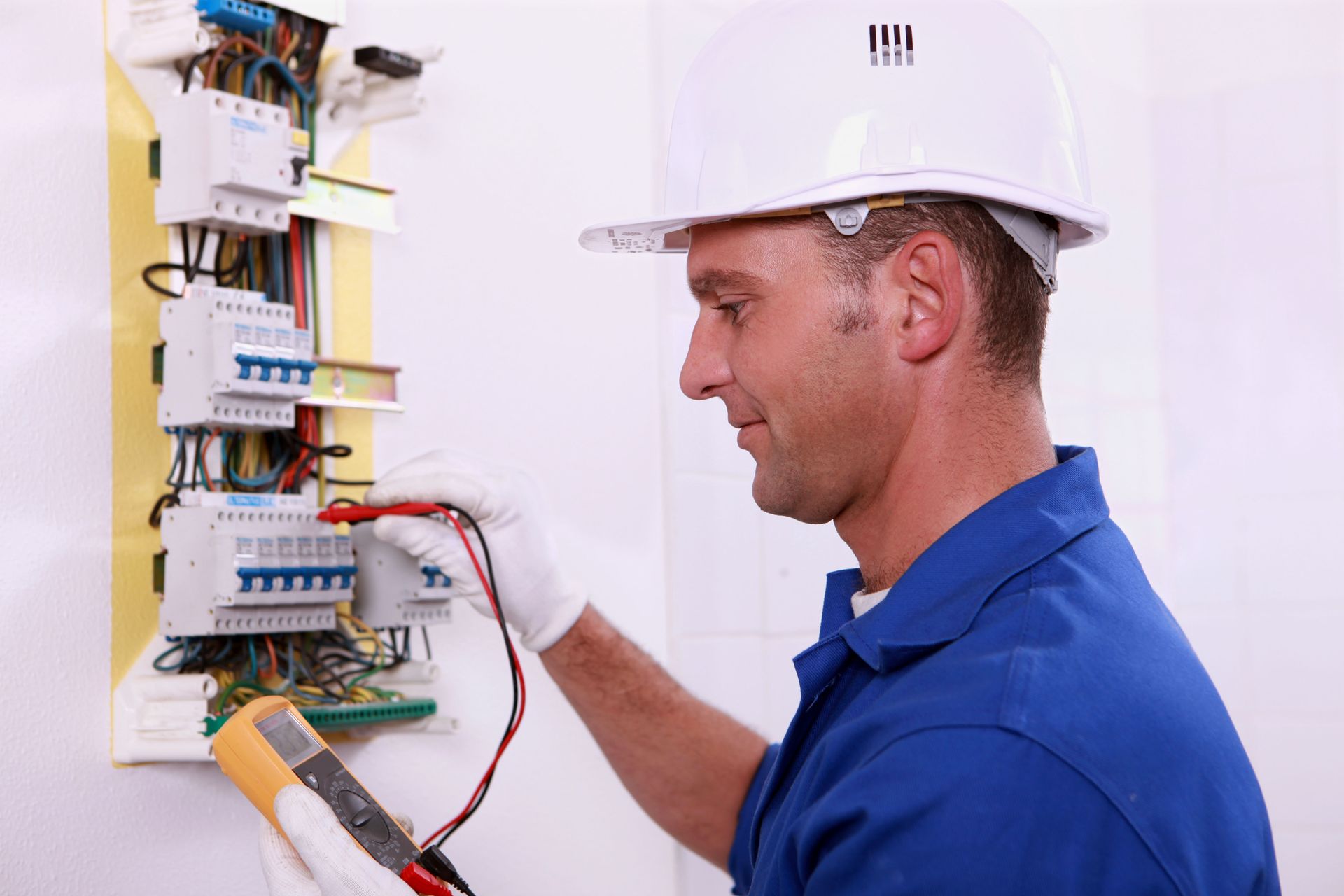
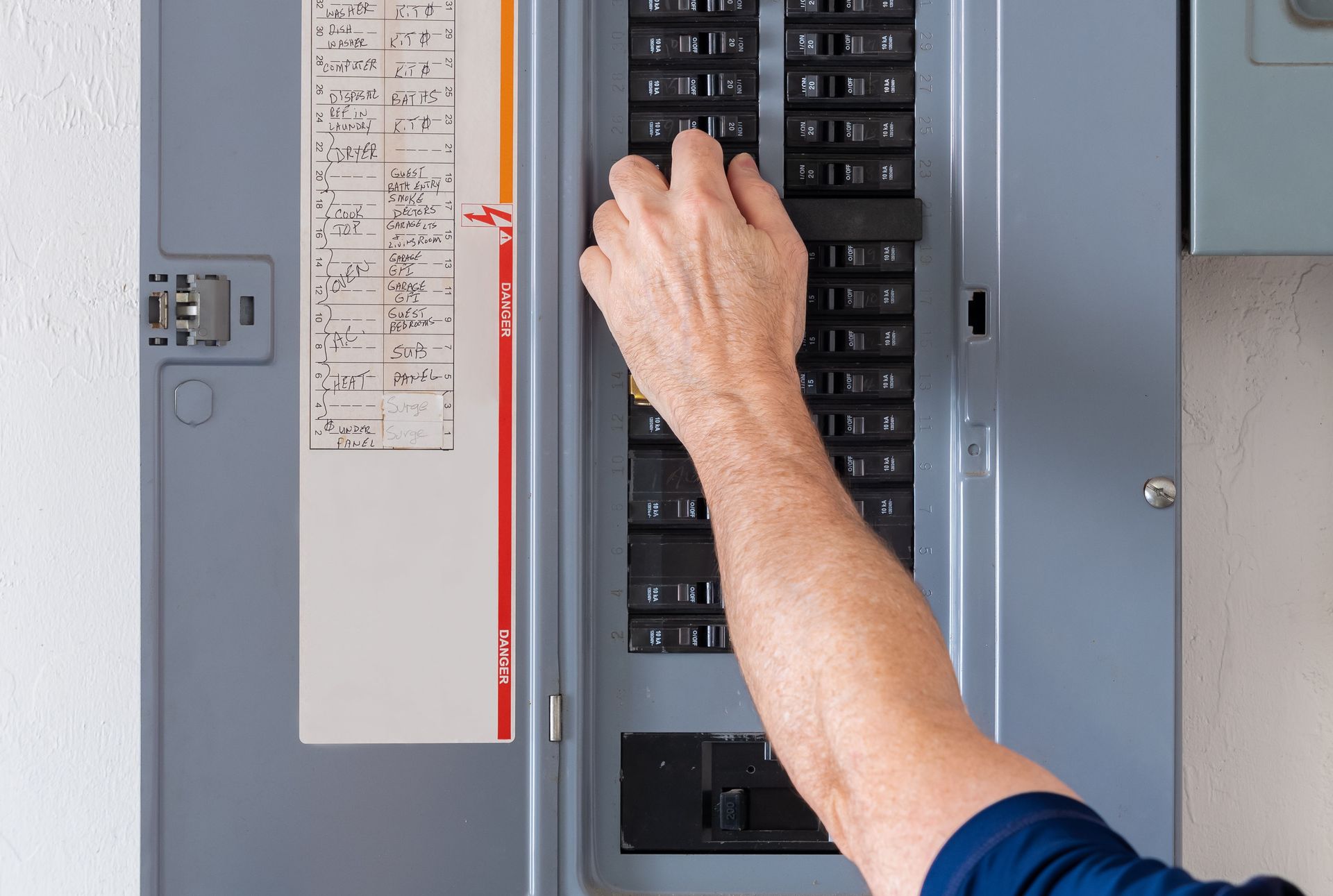
The cornerstone of a professional safety audit is a top-down evaluation of the system's foundational components. When an electrical contractor arrives at a property, the first point of interest is usually the electrical service panel. This panel serves as the central nervous system of the building. Over decades, the bus bars within a panel can corrode, or the breakers themselves can become "fused," meaning they will no longer trip even when a dangerous surge occurs.
A deep dive into systemic integrity also involves checking the grounding system. Proper grounding ensures that if a short circuit occurs, the excess electricity has a safe path to the earth rather than through a person or a sensitive appliance. During an inspection, the professional verifies that the grounding electrode conductor is securely attached and that the rod hasn't been compromised by soil erosion or construction.
Identifying Hidden Hazards
Many of the most lethal electrical threats do not announce themselves with a pop or a spark until it is too late. For example, rodents in attics or crawlspaces frequently chew on wire insulation, leaving bare copper exposed near flammable wooden joists. An electrical contractor uses a combination of visual inspection and advanced technology, such as infrared thermography, to find these anomalies. Thermal imaging allows the inspector to see heat signatures through walls, identifying "hot spots" where a loose connection is generating dangerous temperatures.
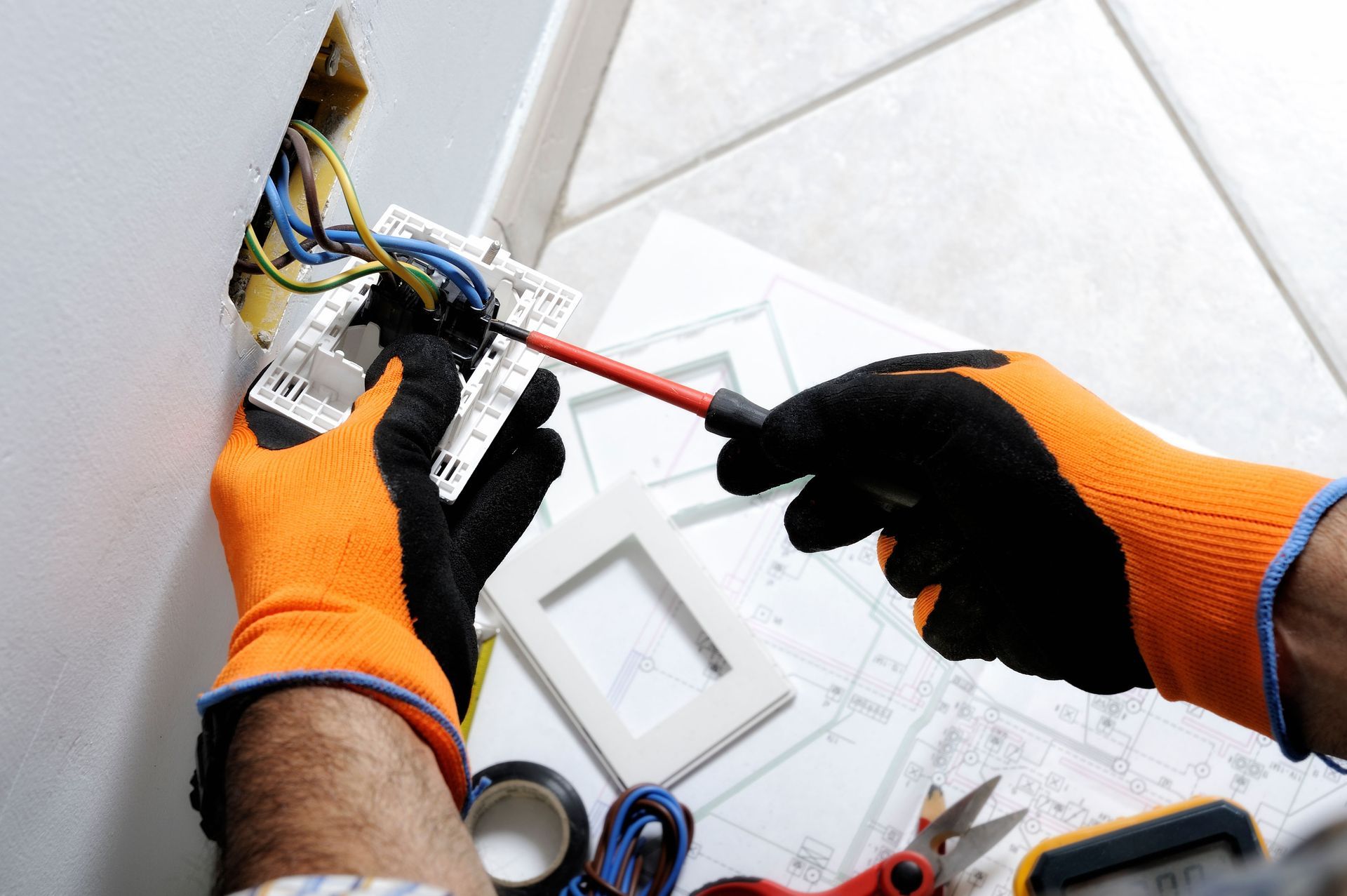
Beyond physical damage, inspections often uncover "bootleg grounds" or improperly wired outlets where the hot and neutral wires are reversed. These errors are common in homes where DIY enthusiasts have attempted their own repairs. While a lamp might still turn on when plugged into a reversed-polarity outlet, the metallic casing of the lamp could become energized, posing a severe shock hazard to anyone who touches it.
Reducing Fire Risks
The prevention of structure fires is perhaps the most compelling reason to schedule regular maintenance. Statistics from the National Fire Protection Association consistently rank electrical failure as a top cause of property damage and civilian deaths. Many of these fires originate in the "branch circuits" — the wires that run from your panel to your lights and outlets. If these wires are undersized for the load they carry, they can heat up like the element in a toaster, eventually igniting the surrounding insulation.
Compared with 2024, electricity generation in the Lower 48 states increased by 2% in 2025, or 93 billion kilowatthours (BkWh), according to U.S. Energy Information Administration. This uptick in generation reflects a broader societal shift toward total electrification. As we move away from gas appliances and toward electric alternatives, the "load" on residential wiring is reaching an all-time high. A professional inspection ensures that your home’s internal grid isn't being pushed past its thermal limits by this increased national energy appetite.
Promoting Energy Efficiency
Safety and savings are two sides of the same coin. An inefficient electrical system isn't just a fire hazard; it's a drain on your finances. When connections are loose or wires are corroded, the resistance in the circuit increases. According to Ohm's Law, higher resistance leads to heat generation, which is essentially wasted energy that you are paying for but never using. An electrical contractor can tighten these connections and balance the loads across your panel to ensure the system operates as coolly and efficiently as possible.
Furthermore, an inspection provides a perfect opportunity to modernize your home’s energy profile. Inspectors can recommend the transition to high-efficiency LED drivers, smart dimmers, and whole-home surge protectors. These upgrades protect your expensive electronics from the "dirty power" and micro-surges that occur daily on the grid. By optimizing the way power moves through your home, you extend the lifespan of every device plugged into your walls, from your refrigerator to your smartphone.
Maintaining Regulatory Compliance
The National Electrical Code (NEC) is updated every three years to incorporate new safety findings and technological advancements. What was considered "safe" or "to code" twenty years ago — such as ungrounded two-prong outlets or lack of GFCI protection near sinks — is now recognized as a major risk. For homeowners, staying compliant isn't just about following rules; it's about maintaining the value and insurability of the property.
If you are planning to sell your home, a recent inspection report from a licensed electrical contractor can be a powerful selling point. Conversely, if a buyer’s inspector finds a laundry list of code violations, it can derail a sale or lead to heavy price concessions. In the commercial world, compliance is even more rigid. Frequent inspections are often a mandate of local fire marshals and insurance providers. Documenting these inspections creates a "paper trail of safety" that protects property owners from liability in the event of an accident.
Assessing Outdoor Systems
Often, we focus so much on what is inside the walls that we forget the electrical components exposed to the elements. Outdoor lighting, pool pumps, and detached garage wiring are subject to moisture, UV degradation, and temperature swings. An inspection includes a thorough check of all outdoor weather-rated enclosures and ensures that Ground Fault Circuit Interrupters (GFCIs) are installed and functioning in every damp location.
Water and electricity are a lethal combination. If an outdoor outlet's seal has perished, rainwater can seep into the housing, creating a path for current to travel through the ground. An inspector checks the integrity of these seals and tests the trip speed of outdoor breakers. Ensuring that your exterior power is just as secure as your interior power is vital for the safety of children playing in the yard or guests enjoying a patio.
An inspection offers more than just a list of repairs; it offers the peace of mind that comes from knowing your home is a sanctuary, not a hazard. By identifying hidden issues, ensuring code compliance, and optimizing efficiency, you are making a long-term investment in your property’s future. Do not wait for a catastrophic failure to value your electrical system. Proactive care is the hallmark of a responsible property owner.
If you are unsure of the last time your panels were opened and inspected, it is time to call a professional electrical contractor. Taking this single step today can prevent a lifetime of regret tomorrow.
Protecting your home starts with choosing the right partner for your maintenance needs. We specialize in comprehensive safety audits that go beyond the surface to ensure every wire, breaker, and outlet is in peak condition. Our team is dedicated to providing clear, actionable insights that keep your family safe and your energy bills low. Contact Double G Electric today to schedule an inspection with a skilled electrical contractor and secure your peace of mind.